- Our Work
- Filling the Gaps
Filling the Gaps
Creating new opportunities in established neighborhoods
Our infill developments are designed to address neighborhood needs while respecting the character and scale of the communities around them. Whether creating affordable housing, mixed-income residential communities, or neighborhood-serving commercial space, these projects help bring new residents, activity, and investment to underutilized sites.

While much of our work focuses on the rehabilitation and adaptive reuse of existing buildings, some projects begin with a vacant site and a new opportunity.
Each project is designed to be additive and contribute positively to the neighborhood it serves.
Projects such as Mid Line, Town Hall Flats, and Peaslee reflect our commitment to thoughtful growth and context-sensitive development. Each project is designed to be additive and contribute positively to the neighborhood it serves.
Though these projects begin with a blank slate, the goal remains the same: create places that strengthen neighborhoods, expand opportunity, and support long-term community vitality.
Town Hall Flats
- Project Cost:
- $12,375,720
- construction Cost:
- $9,766,239
- construction duration:
- 16 months
Scope:
40 Residential Units: At least 25% affordable. 29,288 sf
1 Commercial Unit: 3,300 sf
20 Space Parking Lot
Project partners:
West CURC, The Port, City of Cincinnati, Cincinnati Development Fund
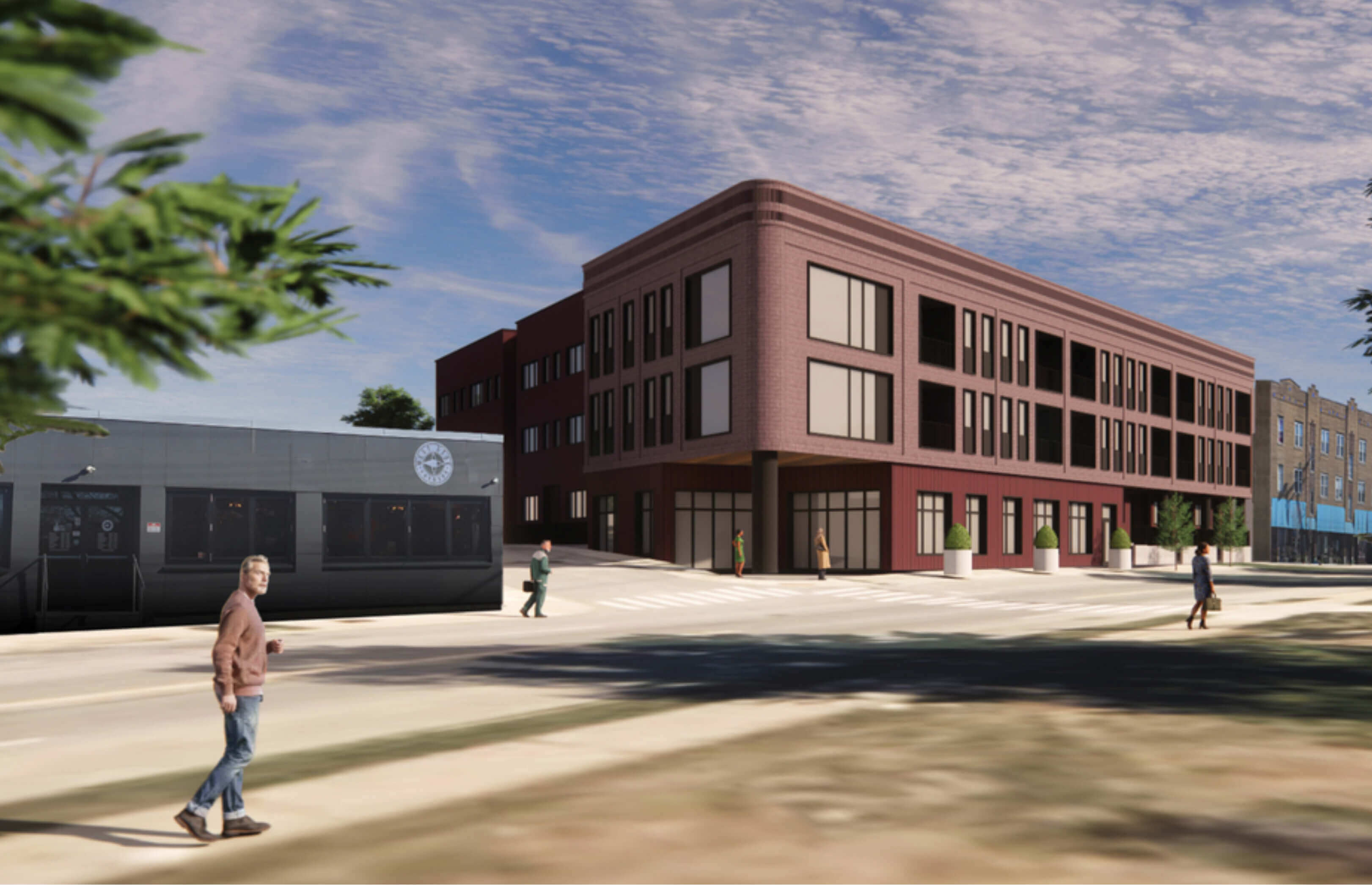
Mid Line
- Project Cost:
- $14,216,700
- construction Cost:
- $20,755,259
- construction duration:
- 16 months
Scope:
57 Residential Units: 100% affordable. 48,519 sf
Project partners:
Over-the-Rhine Community Housing, Clifton Heights Community Urban Redevelopment Corporation, Cincinnati Development Fund, City of Cincinnati, LISC, Ohio Housing Finance Agency, NEF, Fifth Third Bank Finance Fund, Hamilton County
Growing from within
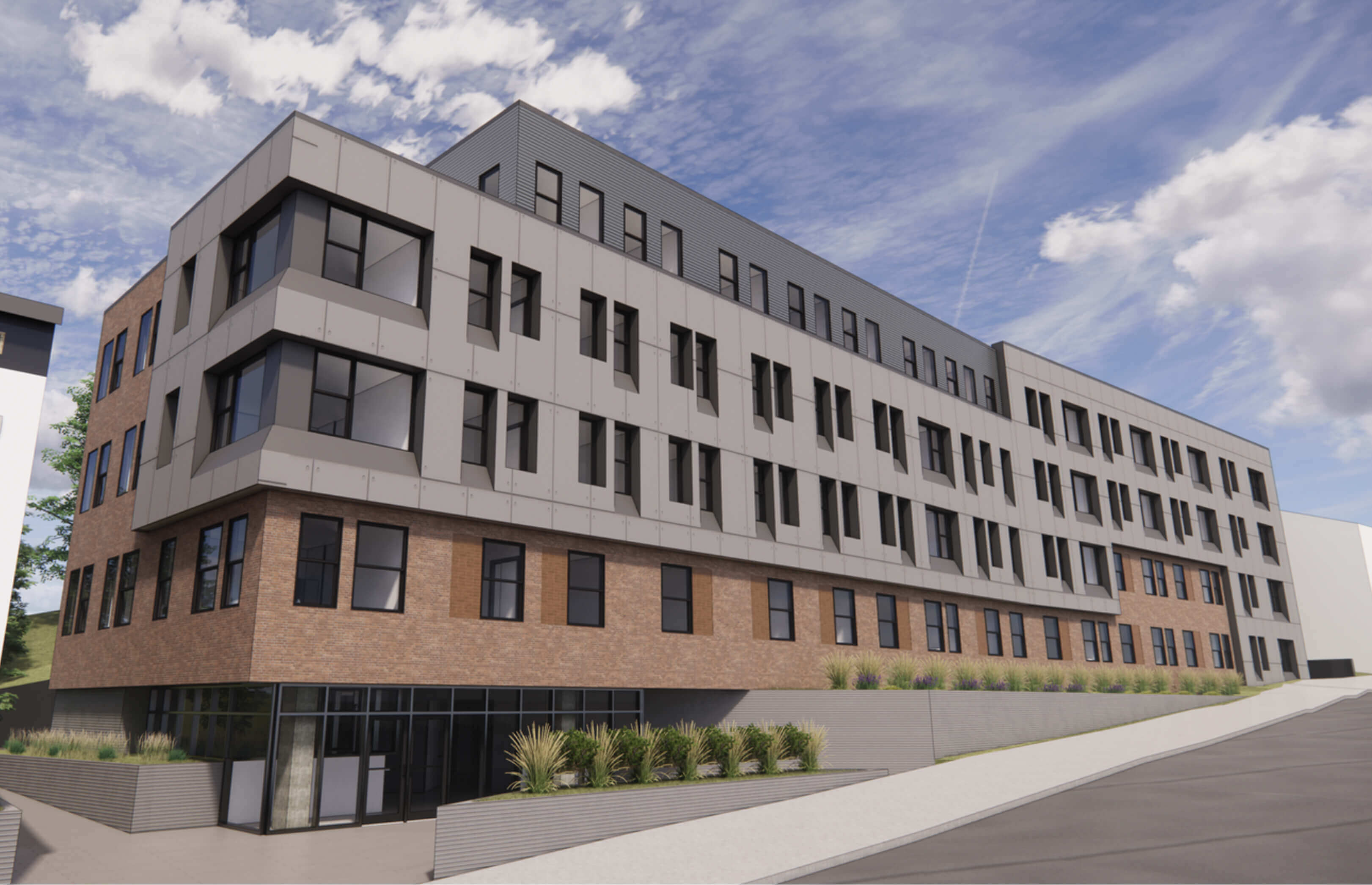
Infill gives us the opportunity to turn underused land into places that add something meaningful to the neighborhood around them—new homes, new businesses, new activity, and new connections. By building thoughtfully and with the surrounding community in mind, we can help established neighborhoods continue to grow without losing what makes them distinct.